

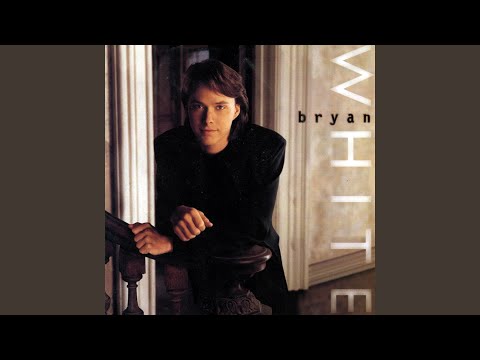

Paul McCartney wrote "Blackbird" in Scotland after reading about race riots in the US, triggered when federal courts forced the racial desegregation of the Arkansas capital's school system.
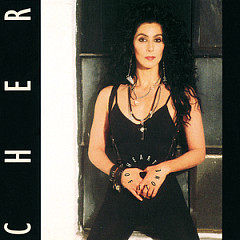
Cher was 43 in 1989 when she landed one of her biggest hits: "If I Could Turn Back Time." It made her an unlikely MTV star thanks to a video shot on the battleship USS Missouri where she's entertaining the troops in fishnet stockings and a thong.
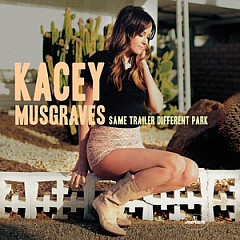
Kacey Musgraves originally offered "Follow Your Arrow" to her friend Katy Perry. However, Perry thought Musgraves should record the song herself as it seemed, "like something that you would totally say."
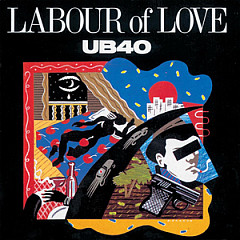
UB40's cover of "Red Red Wine" was a minor hit when first released in 1983, but it went to #1 five years later when radio stations in Phoenix started playing it.
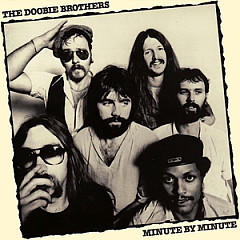
Kenny Loggins co-wrote the Doobie Brothers hit "What a Fool Believes," which is about a guy who just can't accept that an affair from long ago was meaningless to her.
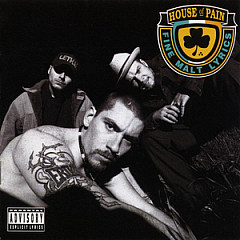
"Jump Around" by House Of Pain turns into a diss track at the end when they dedicate it to Joe "The Biter" Nicolo, whom they claim stole the concept and used it on the Kris Kross song "Jump."
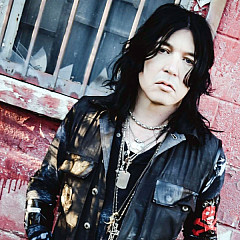
Tom talks about the evolution of Cinderella's songs through their first three albums, and how he writes as a solo artist.
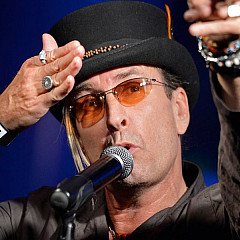
The man who brought us "Red Skies" and "Saved By Zero" is now an organic farmer in France.
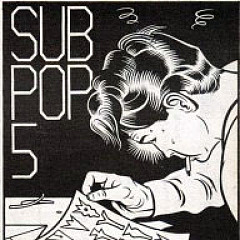
With $50 and a glue stick, Bruce Pavitt created Sub Pop, a fanzine-turned-label that gave the world Nirvana and grunge. He explains how motivated individuals can shift culture.
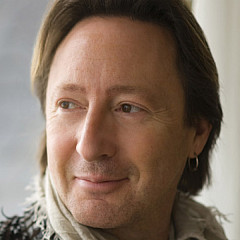
Julian tells the stories behind his hits "Valotte" and "Too Late for Goodbyes," and fills us in on his many non-musical pursuits. Also: what MTV meant to his career.
If you can recall the days when MTV played videos, you know that there are lots of stories to tell. See if you can spot the real ones.
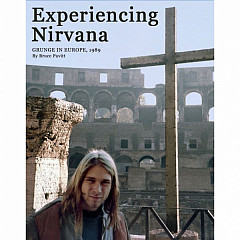
The man who ran Nirvana's first label gets beyond the sensationalism (drugs, Courtney) to discuss their musical and cultural triumphs in the years before Nevermind.