


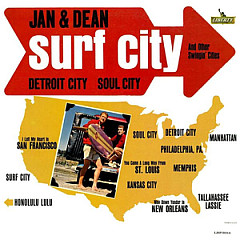
"Surf City" was recorded by Jan & Dean, but written by Brian Wilson of The Beach Boys. It was the first #1 hit Wilson wrote.
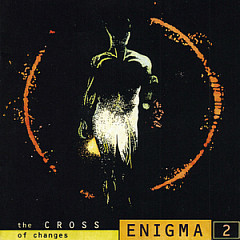
"Return To Innocence" by Enigma is based on a Taiwanese chant by a husband and wife. The couple won a lawsuit granting them royalties from the song.
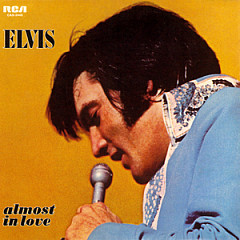
Elvis Presley's "A Little Less Conversation" was just a minor hit when it was released in 1968, but a 2002 remix made the song a global smash, taking it to #1 in a number of countries, including Australia and the UK.

"Womanizer" was Britney Spears' comeback song, going to #1 about 10 months after she was institutionalized to get treatment for addictions and mental health issues.
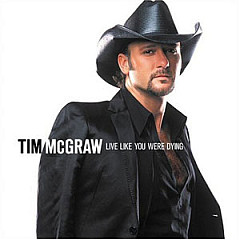
Tim McGraw recorded "Live Like You Were Dying" just two weeks after his own father passed away.
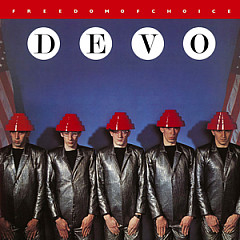
Devo got the idea for their "Whip It" video from an article about a guy who owned a dude ranch and charged people to watch him remove his wife's clothes with a bullwhip.

Kristian talks songwriting technique, like how the chorus should redefine the story, and how to write a song backwards.

Did Eric Clapton really write "Cocaine" while on cocaine? This question and more in the Clapton edition of Fact or Fiction.

Greg talks about writing songs of "universal truth" for King Crimson and ELP, and tells us about his most memorable stage moment (it involves fireworks).

A popular contemporary folk singer, Williams still remembers the sticky note that changed her life in college.
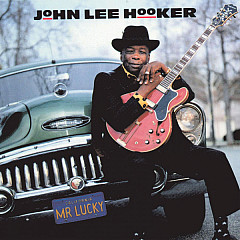
Into the vaults for Bruce Pollock's 1984 conversation with the esteemed bluesman. Hooker talks about transforming a Tony Bennett classic and why you don't have to be sad and lonely to write the blues.