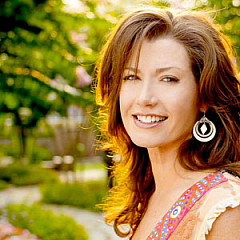
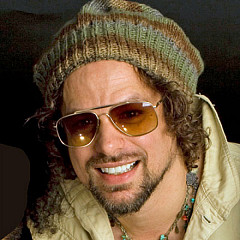
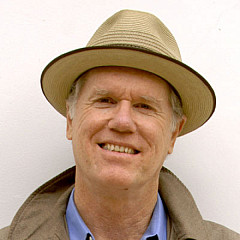
1974-Robin ZanderVocals1974-
Tom PeterssonBass1974-1980; 1986-
Rick NielsenGuitar1974-
Bun E. CarlosDrums1974-
Pete ComitaBass1980-1981
Jon BrantBass1981-1986
Cheap Trick is very efficient in the studio, with Robin Zander able to nail vocals to exacting standards without many takes. Tom Werman, who produced their
In Color,
Heaven Tonight, and
Dream Police albums,
told Songfacts, "They were a producer's gift in the studio. Robin could do two full songs in one afternoon. The perfect lead I'd put together with him and then he could double it maybe on the chorus, and then do harmony parts and then do it again on a second song. We were very quick. We did
Dream Police in 30 days, start to finish. These days it doesn't sound like anything big, but in those days you would typically take two months to do an album, and we did one from set-up to mastering."
Cheap Trick evolved out a group Rick Nielsen and Tom Petersson were in called Fuse, whose lead singer was Robert "Stewkey" Antoni, formerly of Nazz (Todd Rundgren's early group). Fuse released an album in 1970, then morphed into Sick Man Of Europe, with Bun E. Carlos taking the drums. In 1973, they started using the name Cheap Trick and, a year later, Robin Zander joined.
Among the big rock bands that emerged in the '70s, Cheap Trick stood out for their sense of humor and for their place of origin: Rockford, Illinois, home of the Rockford Peaches, an original team in the the All-American Girls Professional Baseball League, depicted in the movie A League of Their Own. They seemed to have a lot of fun, with songs like "Daddy Should Have Stayed in High School" and "He's A Whore" on their 1977 debut album, which included a (mostly) fake bio of the band in the liner notes. A sample: "Bun E., short for Bunezuela, hails from Venezuela." (Bun E. Carlos was born in Rockford and "Bun" is a childhood nickname.)
When they released their self-titled debut album in 1977, they had so many songs to choose from that both "Surrender" and "I Want You to Want Me" didn't make the cut "I Want You to Want Me" was included on their second album, In Color, and "Surrender" on their third, Heaven Tonight.
On many of their albums, including In Color, Heaven Tonight and Lap Of Luxury, only Robin Zander and Tom Petersson are on the covers, as they're the pretty boys in the group. Rick Nielsen and Carlos lean in to the quirky; Nielsen always wears a baseball cap and Bun E. Carlos could often be seen behind his kit wearing a skinny tie with a cigarette dangling from his mouth.
Tom Petersson plays a 12-string bass custom made by Hamer Guitars, the same company that makes Rick Nielsen's custom guitars. He started using it on their second album; on their first, he played a Gibson Thunderbird.
Nielsen wrote most of their early songs. In many cases the lyrics were written from the perspective of various quirky characters he created. The band adopted an unusual visual look to match this theme, with Nielsen sporting an outlandish outfit that looked like something a TGI Fridays waiter might wear on Halloween.
Some of the bands Cheap Trick opened for: The Kinks, Kiss, Boston, and Santana.
Their first three albums were far more popular in Japan than anywhere else, including the US. They got a rapturous response when they played two shows in Tokyo in 1978 that were packaged into the album
Live At Budokan. Released in America the following year, it was a breakthrough in their homeland, with the live version of "
I Want You To Want Me" becoming their first big hit.
They made several music videos in the '70s, which was unusual for an American act. When MTV went on the air in 1981, they played a lot of Cheap Trick, since they were desperate for American rock. "
Dream Police" was a favorite.
Petersson left the group in 1980 a few months before their album All Shook Up was released, returning in 1987 in time for their comeback album, Lap Of Luxury. His explanation for his departure: "I was getting burned out and everybody got sick of me."
The band lost their luster in the mid-'80s when their hits dried up, but they got the shine back with the #1 power ballad "
The Flame" in 1988, which they didn't write and was foisted on them by their label. They tried another big ballad on their next album called "
Wherever Would I Be," but it flopped.
Nielsen has an extensive collection of guitars. In 1992 he released a book called
Guitars Of The Stars featuring some of the wackier models, some valued upwards of $100,000. He tours with more then 25, but really uses only four or five. In 2019 he put out another guitar book called
book called Cheap Licks.
The TV series
That '70s Show got Cheap Trick to do a version of their theme song ("
In The Street," originally recorded by Big Star in 1972) before the show's second season. A notable addition was the "we're all alright" chant, borrowed from their song "
Surrender." This version was used for the rest of the series run, another seven seasons.
Nielsen has a custom-made Hamer guitar with five necks that is rather impractical (it's very heavy), but makes a great visual. He says the guitar will get "more applause than I ever will."
Cheap Trick wrote and performed the theme song, "Baby Mumbles," for Comedy Central's The Colbert Report, which ran from 2005 to 2015. It is largely the melody of "I Want You To Want Me" backwards.