
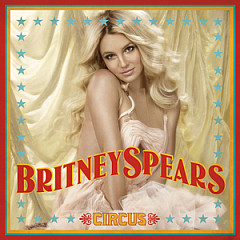
"Womanizer" was Britney Spears' comeback song, going to #1 about 10 months after she was institutionalized to get treatment for addictions and mental health issues.
The song "Grease," sung by Frankie Valli in the 1978 movie, was written by Barry Gibb of The Bee Gees.
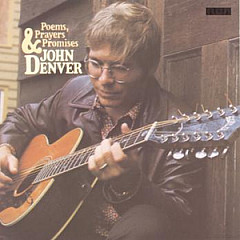
"Take Me Home Country Roads" is set in West Virginia, but John Denver had never been there when he recorded the song. The country roads represent a sense of belonging.
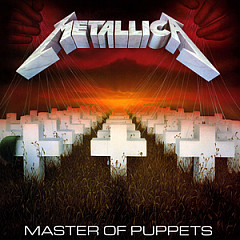
In Metallica's 1986 metal classic "Master Of Puppets," the "Master" represents drugs, controlling the user like a puppet. Lead singer James Hetfield wasn't an addict at the time, but 15 years later he needed rehab to treat his alcoholism.

Neither Peter Frampton nor Lynyrd Skynyrd ever had a #1 hit, but when Will To Power mashed up their songs "Baby, I Love Your Way" and "Free Bird" into a lite-rock medley in 1988, it hit the top spot.

Jon Bon Jovi earned his first movie credit - Young Guns II - by writing "Blaze Of Glory" for the film.
Was "Pearl" Eddie Vedder's grandmother, and did she really make a hallucinogenic jam? Did Journey have a contest to name the group? And what does KISS stand for anyway?
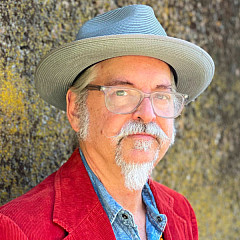
Sheryl Crow's longtime songwriting partner/guitarist Jeff Trott reveals the stories behind many of the singer's hits, and what its like to be a producer for Leighton Meester and Max Gomez.
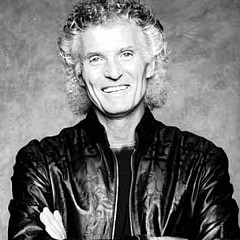
The drummer and one of the primary songwriters in Grand Funk talks rock stardom and Todd Rundgren.

He wrote "She Blinded Me With Science" so he could direct a video about a home for deranged scientists.
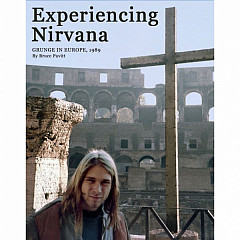
The man who ran Nirvana's first label gets beyond the sensationalism (drugs, Courtney) to discuss their musical and cultural triumphs in the years before Nevermind.
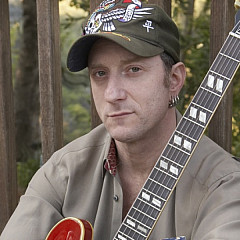
Oliver Leiber talks about writing and producing hits for Paula Abdul, and explains his complicated relationship with his father, the songwriter Jerry Leiber.