

MTV wanted Weezer to record a version of their song "Hash Pipe" as "Half Pipe" to appeal to the skateboarding crowd. The band refused, and MTV listed the song as "H*** Pipe."
Kesha (known at the time as Ke$ha) was still pretty wild when she released her song "Crazy Kids" in 2012. It's about one of her birthday parties that got a little out of hand.

"Coming Home" by Diddy - Dirty Money was originally iwritten for for T.I., who was getting out of prison at the time.
David Bowie's "Let's Dance" is about more than just dancing. It's about dishonesty, particularly when we mask our true feelings.
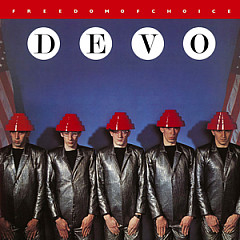
Devo got the idea for their "Whip It" video from an article about a guy who owned a dude ranch and charged people to watch him remove his wife's clothes with a bullwhip.
The "Doctor of philosophy" in the Indigo Girls' song "Closer To Fine" is based on a teacher Emily Saliers had who had a poster of Rasputin on his door.

As Procol Harum's lyricist, Keith wrote the words to "A Whiter Shade Of Pale." We delve into that song and find out how you can form a band when you don't sing or play an instrument.

Dwarfs on stage with an oversize Stonehenge set? Dabbling in Satanism? Find out which Spinal Tap-moments were true for Black Sabbath.

Billy Joel and Hall & Oates hated making videos, so they chose a director with similar contempt for the medium. That was Jay Dubin, and he has a lot to say on the subject.

A talented lyricist, Philip helped revive Neil Sedaka's career with the words to "Laughter In The Rain" and "Bad Blood."

Phone booths are nearly extinct, but they provided storylines for some of the most profound songs of the pre-cell phone era.

The powerhouse producer behind Janet Jackson's hits talks about his Boyz II Men ballads and regrouping The Time.