Indigo

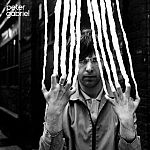
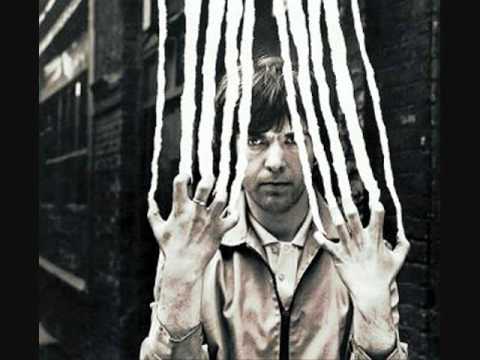
Album: Peter Gabriel (second, scratch) (1978)
Play Video

Songfacts®:

  • In this rather evocative song, Peter Gabriel sings from the perspective of a man on his deathbed. He's comforted by his child, who makes him feel warm in the eye of the storm as he nears the end.

    Early in the song, the man talks about how his body is breaking down, making almost jovial references to how his model is out of date and he's full of spare parts. As the song goes on, he gets more serene and spiritual, with talk of crossing "the dark dark river." At the end of the song, we hear him drift off.
  • Explaining what motivated him to write this song, Gabriel said, "I had the mood of 'Old Man River' in my head at the time."
  • This evolved out of an instrumental Gabriel performed on his 1977 tour that he called "A Song Without Words."
  • Indigo is a deep blue color that in this song represents the transition to total darkness, meaning death. The most famous use of the color in a song title is Duke Ellington's "Mood Indigo."
  • Peter Gabriel used a lot synthesizers in his solo work (he left Genesis in 1975), but on "Indigo," he kept it organic. The song features a recorder, which was played by George Marge and arranged by Gabriel's bass player, Tony Levin.
  • This is part of Gabriel's second solo album, which was produced by Robert Fripp of King Crimson. Musically, the album succeeded, but it didn't have any hits, which Gabriel's record company didn't appreciate. His next album was produced by Steve Lillywhite and fared far better commercially.

Comments: 3

  • Rob Arthur from Richmond, VaWhat a joy, hearing a song like this at rock concerts in the 70's.
    Not in agreement, though, that "had Ol' Man River in my head"
    correlates with your death-bed interpretation, or any element of physical deterioration or ageing,
    not during this era. Transformation of constellations of formations, maybe,-
    Washing of the Water-like,- but not ageing.
  • Stone from Finger LakesGosh that hits hard now that I understand what it means. He did a GREAT job with performing that for us.
  • Peter from Glen, NjWhen Peter performed this on his first solo tour in 1977, it was called "A Song Without Words". His synth player, Larry Fast, put the vocals through a frequency shifter which made him sound chimpmunk-like. This was mixed with his normal pitched vocals so it sounded as if he was dueting with himself. At the shows Peter told the audience it was his "small friend" or a transmission of the concert from a parallel universe.
see more comments

Editor's Picks

Soul Train Stories with Stephen McMillian

Soul Train Stories with Stephen McMillianSong Writing

A Soul Train dancer takes us through a day on the show, and explains what you had to do to get camera time.
Phone Booth Songs

Phone Booth SongsSong Writing

Phone booths are nearly extinct, but they provided storylines for some of the most profound songs of the pre-cell phone era.
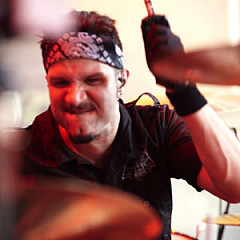
Charlie Benante of Anthrax

Charlie Benante of AnthraxSongwriter Interviews

The drummer for Anthrax is also a key songwriter. He explains how the group puts their songs together and tells the stories behind some of their classics.
Bob Dylan Lyric Quiz

Bob Dylan Lyric QuizMusic Quiz

Think you know your Bob Dylan lyrics? Take this quiz to find out.

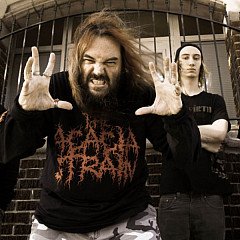
Max Cavalera of Soulfly (ex-Sepultura)

Max Cavalera of Soulfly (ex-Sepultura)Songwriter Interviews

The Brazilian rocker sees pictures in his riffs. When he came up with one of his gnarliest songs, there was a riot going on.

Brian Kehew: The Man Behind The Remasters

Brian Kehew: The Man Behind The RemastersSong Writing

Brian has unearthed outtakes by Fleetwood Mac, Aretha Franklin, Elvis Costello and hundreds of other artists for reissues. Here's how he does it.