Over a sludgy backbeat, Josh Homme contemplates the universal truth that at the end of the day, all forms of life, be it majestic or minute, share an equal destiny: we all ultimately face the inevitability of death. Within this stark reality, Homme acknowledges that life itself is transient, devoid of inherent purpose or hidden motives.
Free fall from the nest, then glide to the left
A shine catch the eye, so flow to the right
Flying high, realize there are no more mountains to climb
Amid the fleeting nature of our existence, Homme suggests we embrace the present to find solace in the beauty of the ephemeral spectacle unfolding before us. We may discover that the arduous mountains we once sought to conquer are no longer obstacles, but opportunities to bask in the richness of our being.
A symphony of strings cascades gracefully above the bedrock of the band's signature sound, creating an enchanting sonic tapestry. Josh Homme's vocals evoke a sense of both acceptance and resignation.
When there's nothing I can do
Accept, enjoy the view
When there's nothing I can do
I smile
Homme recognizes the futility of fretting over circumstances beyond our sphere of influence. Instead of expending energy on matters beyond our control, he advocates embracing a mindset of acceptance. It is through this surrender to the flow of life that we find solace and contentment, allowing us to bask in the beauty of the present.
We live, we die, we fail, we rise
I'm a vulture so I hear goodbyesThese words reveal Homme's deep affection for the animal kingdom, even extending to vultures, intriguing creatures he holds in high regard. "They just do exactly what they're supposed to do,"
Homme told NME. "There's no guilt or shame or negotiation. They fight to the bitter end. Even with a broken leg, it doesn't matter. I've seen it. I've seen an animal take its last breath and fight it all the way. I love that."
Drawing an analogy, Homme likens vultures to compassionate priests, silently receiving our final confessions and providing reassurance in our last moments. "Then they devour you. That's what it's supposed to do," he said. "There's something really beautiful about at the end of life being met and ferried by this thing that's doing what it's supposed to do."
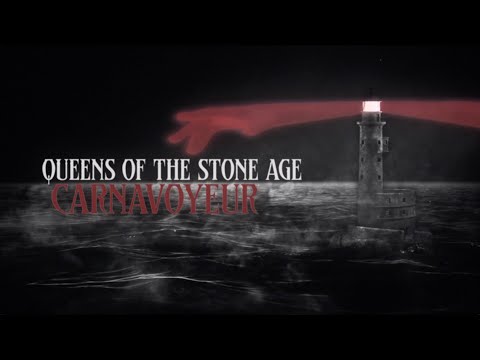
The song title is a portmanteau of the words "carnivore" and "voyeur." "Carnavoyeur was a made-up word I came up with because I was having trouble with what I wanted to say," Homme told The Sun. "Like obscenery - you know exactly what I mean. Those words are designed to get as close to how I felt, as possible. If Bill Shakespeare did it, why can't I?"
"Carnavoyeur" is the second single released from Queens of the Stone Age's eighth studio album, In Times New Roman... Released on June 16, 2023 through Matador Records, it's the band's first album since Villains in 2017. The record follows a tumultuous period for Josh Homme; he willingly retreated into seclusion to grapple with life-altering experiences such as a cancer diagnosis, the heartrending loss of dear friends, and the dissolution of his 14-year marriage.
"When you're dealing with the extreme ups and downs of life, you don't stop and go: 'I should really make a record.' Those things don't exist in that moment," he told NME. "If your roof is flooding, you don't say: 'We should make a record about this!' You have to stop yourself drowning in a flood."
The recording process for Times New Roman... began in late 2020, but it languished unfinished. It wasn't until November 2022 that Homme found himself ready to add vocals to the music. "I wasn't done living," he said. "Honestly, I was probably afraid. I wasn't ready. You need the flood to be over, and then you can decide whether you can accept the flood. I think with this being a record about acceptance, you need to actually get there yourself."
In Times New Roman... contains some full-on moments, including the compression at the end of "Carnavoyeur."
"This record seems very of its time – it's tonally brutal and there's no mucking about," Josh Homme told Uncut magazine. "That compression is the most you can do without digital static. I've been thinking this since the first record: what if you put on a record, and at the end it destroyed your stereo? That would be... unforgettable. It would be impossibly dangerous art forever. I would do that."