


The "Doctor of philosophy" in the Indigo Girls' song "Closer To Fine" is based on a teacher Emily Saliers had who had a poster of Rasputin on his door.
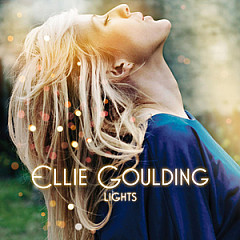
Ellie Goulding's hit song "Lights" is about her fear of the dark, which forces the singer to sleep with the lights on.
The TV show Cheers was nearly canceled after its first season, but the theme song, "Where Everybody Knows Your Name," was very popular. To satisfy viewer demand, the theme was made into a full song and released as a single.
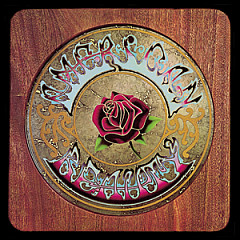
"Truckin'" was written as the Grateful Dead were starting their long, strange trip, settling into a life of constant touring. They rode busses and holed up in modest hotels to stay grounded.

"1979" by Smashing Pumpkins is about Billy Corgan entering adulthood. A more accurate year would be 1983, but 1979 was easier to rhyme.
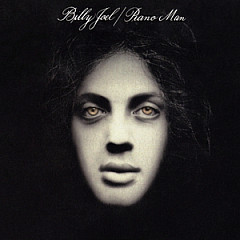
"Piano Man" was inspired by Billy Joel's time playing at a piano bar in Los Angeles. The "real estate novelist" was a guy who always talked about writing a book, but spent all his spare time in the bar.
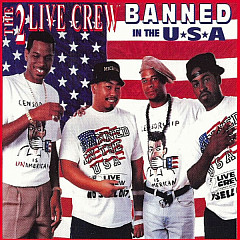
In the summer of 1990, you could get arrested for selling a 2 Live Crew album or performing their songs in Southern Florida. And that's exactly what happened.

David Gray explains the significance of the word "Babylon," and talks about how songs are a form of active imagination, with lyrics that reveal what's inside us.
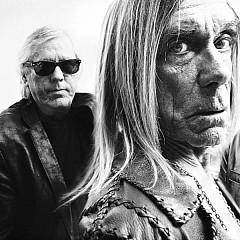
The Stooges guitarist (and producer of the Kill City album) talks about those early recordings and what really happened with David Bowie.
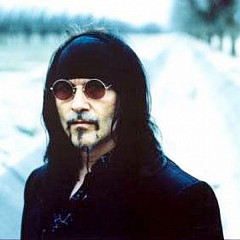
In the name of song explanation, Al talks about scoring heroin for William Burroughs, and that's not even the most shocking story in this one.
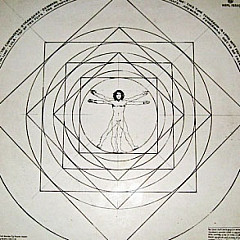
A history of songs dealing with transgender issues, featuring Pink Floyd, David Bowie, Morrissey and Green Day.
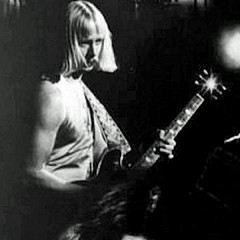
In this talk from the '80s, the Kansas frontman talks turning to God and writing "Dust In The Wind."