Ku Klux Klan

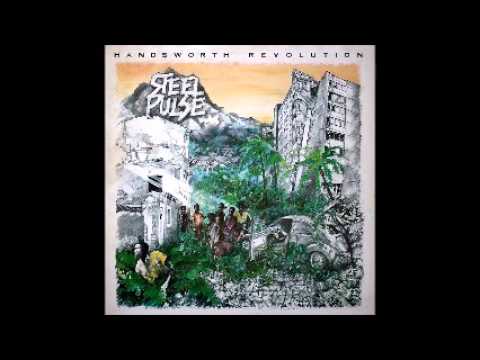
Album: Handsworth Revolution (1978)
Charted: 41
Play Video

Songfacts®:

  • In the 1970s, a political party called the National Front gained a following in England on a platform opposing non-white immigrants in the country. Their slogan: "Keep Britain White." Eric Clapton was a high-profile supporter.

    After World War II, England welcomed immigrants, bringing in many from Jamaica (a British colony at the time), to help rebuild the country. They brought their musical traditions with them, and in Birmingham, some of the children of these immigrants formed the reggae band Steel Pulse. Watching the National Front rise to power was horrifying for them, so they joined The Clash and many other British bands in the Rock Against Racism effort to oppose the group, an effective countermeasure that rallied young people to the cause.

    The National Front formed in the 1960s, but about 100 years earlier, the Ku Klux Klan emerged in America on a similar platform. The Klan wore white robes and hoods, and committed heinous crimes against minorities in the name of "white power." Many in England didn't know the history of this group, which showed how the National Front could evolve. Steel Pulse brought this to light.

    "It was a new political party in Britain that was all about racism, basically," David Hinds of Steel Pulse said of the National Front in a Songfacts interview. "The head of the Ku Klux Klan was invited over to school them on how to treat immigrants and minorities."
  • When Steel Pulse performed this song, some members would dress like Ku Klux Klan members to mock the organization. They did so without incident until 1980, when they came to America for the first time. "Within three weeks of us touring the United States, someone from out of the audience in Boston jumped up on stage and started to attack one of the band members," David Hinds told Songfacts. "The cops pounded him to the ground and took him off stage and laid into him. It was at the Bradford Hotel in Boston. They had an auditorium area in that hotel, and we performed there."

    It's not clear if the intruder was attacking the concept or if he had a problem with the band. Many years later, they tried to track him down to find out, but were unsuccessful.
  • This was the group's first major-label single, released on Island Records in the UK, France and Australia - it was not issued in America. For many listeners, it was their introduction to Steel Pulse, which became known for agitating against injustice. They never had a big hit, though, and were dropped by Island after three records. The next phase of their career was at Elektra Records, where they issued Babylon The Bandit in 1985, the first album by a non-Jamaican artist to win the Grammy Award for Best Reggae Album.
  • When Steel Pulse frontman David Hines wrote this song, he wasn't trying to codify an argument against racism or the Ku Klux Klan; he was working on a more emotional level. In his Songfacts interview, Hines said: "When we did that song, it was just expressing ourselves, sheer imagination. Just like the song said, 'Walking along, kicking stones.'"
  • Steve Lillywhite produced this track with Godwin Logie. Lillywhite's career was just getting started; he went on to produce albums for U2, Peter Gabriel, The Rolling Stones, Kirsty MacColl and Dave Matthews Band.
  • "Ku Klux Klan" was included in Rolling Stone's list of the 500 Greatest Songs of All Time. In its 2021 update, the song was ranked at #460.

    Rolling Stone highlighted the track's powerful commentary on racism and violence, particularly regarding the late-1970s British context, with its incendiary lyrics and historical relevance.

Comments

Be the first to comment...

Editor's Picks

Christopher Cross

Christopher CrossSongwriter Interviews

The man who created Yacht Rock with "Sailing" wrote one of his biggest hits while on acid.

Director Mark Pellington ("Jeremy," "Best Of You")

Director Mark Pellington ("Jeremy," "Best Of You")Song Writing

Director Mark Pellington on Pearl Jam's "Jeremy," and music videos he made for U2, Jon Bon Jovi and Imagine Dragons.

Who Did It First?

Who Did It First?Music Quiz

Do you know who recorded the original versions of these ten hit songs?

Christmas Songs

Christmas SongsFact or Fiction

Rudolf, Bob Dylan and the Singing Dogs all show up in this Fact or Fiction for seasonal favorites.
Song Titles That Inspired Movies

Song Titles That Inspired MoviesSong Writing

Famous songs that lent their titles - and in some cases storylines - to movies.

Graham Bonnet (Alcatrazz, Rainbow)

Graham Bonnet (Alcatrazz, Rainbow)Songwriter Interviews

Yngwie Malmsteen and Steve Vai were two of Graham's co-writers for some '80s rock classics.