Tracy Chapman

Tracy Chapman Artistfacts

  • March 30, 1964
  • Chapman is best known for her two big hits: "Fast Car" and "Give Me One Reason." Those are both story songs about relationships in various states of decay, but a lot of her discography is filled with protest songs like "Talkin' 'Bout A Revolution" and "Why?"
  • She doesn't do many interviews, rarely talks to the audience when she performs, and isn't often seen in public when she's not working, but that's not because she's shy, she'd just rather make and play music than talk about it. Keeping mum sets her apart from the pack and leaves some mystery. She has social media accounts but they're run by members of her team.
  • Chapman was born and raised in a working-class neighborhood in Cleveland, Ohio, but her musical and academic talents earned her a scholarship to a fancy prep school in Connecticut called the Wooster School. Her sophomore year, the school chaplain, Reverend Robert Tate, took a collection to buy her a new guitar. He's the "Rev. Tate" Chapman thanks in the credits of her debut album.
  • Chapman's ascent was intercontinental. She spent a lot of time touring in the UK when she was starting out and developed a fan base both there and in her home country of America. Word quickly spread throughout Europe, where she remains quite popular.
  • She did a lot of busking in Boston when she was a student at Tufts University. This helped her develop as an artist but also earned some spending money. The first time she did it was so she and her friends could raise cash Chinese takeout. She earned $30 that night, enough for their meals.
  • She earned a degree at Tufts but had a management deal by the time she graduated. Because she stays out of the public eye when she's not performing, there's an impression that Chapman never wanted to be famous, but that's not true.

    "I did have dreams about being a professional musician or a rock star when I was a kid," she said on the BBC show Striking A Chord. "I can't say that I've had any real models that made that seemed like it was a real possibility, but along the way when I started writing songs and started playing them for my friends, we would talk about what we would do if we ever became famous."
  • Chapman often performs at tributes and benefits, most notably the Nelson Mandela 70th birthday celebration at Wembley Stadium in 1988, where her performance of "Fast Car" wowed the crowd and served as a springboard. Other

    June 21, 1990 - A rally for Mandela at Yankee Stadium
    November 3, 1991 - A Bill Graham memorial concert in San Francisco
    March 14, 1992 - Farm Aid in Texas
    October 16, 1992 - A Bob Dylan tribute at Madison Square Garden (she did "The Times They Are A-Changin'")
    June 13, 1998 - The Tibetan Freedom Concert in Washington, DC
  • In 1991, she inducted Curtis Mayfield's group The Impressions into the Rock And Roll Hall Of Fame.

Comments

Be the first to comment...

Editor's Picks

Strange Magnetics

Strange MagneticsSong Writing

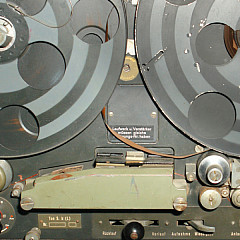
How Bing Crosby, Les Paul, a US Army Signal Corps Officer, and the Nazis helped shape rock and Roll.
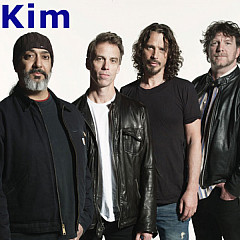
Kim Thayil of Soundgarden

Kim Thayil of SoundgardenSongwriter Interviews

Their frontman (Chris Cornell) started out as their drummer, so Soundgarden takes a linear approach when it comes to songwriting. Kim explains how they do it.
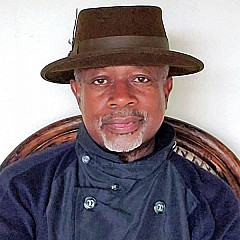
David Sancious

David SanciousSongwriter Interviews

Keyboard great David Sancious talks about his work with Sting, Seal, Springsteen, Clapton and Aretha, and explains what quantum physics has to do with making music.
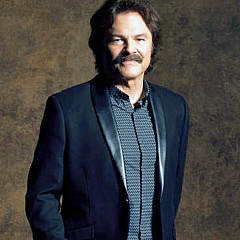
Tom Johnston from The Doobie Brothers

Tom Johnston from The Doobie BrothersSongwriter Interviews

The Doobies guitarist and lead singer, Tom wrote the classics "Listen To The Music," "Long Train Runnin'" and "China Grove."
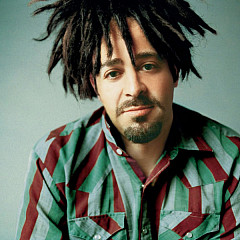
Adam Duritz of Counting Crows

Adam Duritz of Counting CrowsSongwriter Interviews

"Mr. Jones" took on new meaning when the song about a misguided view of fame made Adam famous.
U2

U2Fact or Fiction

How did The Edge get his name? Did they name a song after a Tolkien book? And who is "Angel of Harlem" about?