


Creedence Clearwater Revival's first single was a cover of a rockabilly song called "Susie Q." When it became a hit, group leader John Fogerty went into a songwriting frenzy so they wouldn't be one-hit wonders, resulting in hits like "Proud Mary" and "Lodi."
"Womanizer" was Britney Spears' comeback song, going to #1 about 10 months after she was institutionalized to get treatment for addictions and mental health issues.

"Peg" by Steely Dan is told from the perspective of Peg's jilted ex-boyfriend as he watches her launch an acting career.
The lyrics for Lesley Gore's "It's My Party" were based on actual events relating to his daughter Judy's sweet 16 party. The teenager threw a tantrum and burst into tears when her mum and dad insisted that her grandparents had to be invited.
"Tammy" by Debbie Reynolds was the only US #1 single by a female act between July 1956 and February 1958.
Sarah McLachlan's "Possession" contains passages from letters a stalker sent her. He sued her for $250,000 and committed suicide before the trial.
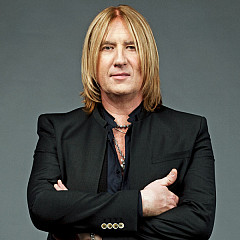
The Def Leppard frontman talks about their "lamentable" hit he never thought of as a single, and why he's juiced by his Mott The Hoople cover band.
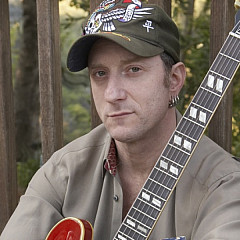
Oliver Leiber talks about writing and producing hits for Paula Abdul, and explains his complicated relationship with his father, the songwriter Jerry Leiber.

Michelle Branch talks about "Everywhere," "The Game Of Love," and her run-in with a Christian broadcasting network.
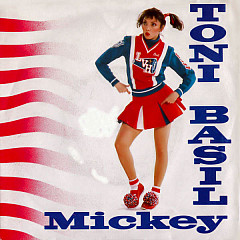
It started with a bouncy MTV classic. Nirvana and MCR made them scary, then Gwen, Avril and Madonna put on the pom poms.

Stage urinals, flute devices, and the real Aqualung in this Fact or Fiction.

Did Rivers Cuomo grow up on a commune? Why did they name their albums after colors? See how well you know your Weezer in this Fact or Fiction.