


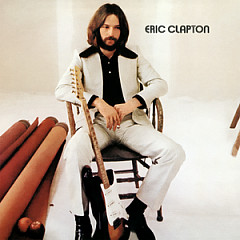
"After Midnight" was written by the Oklahoma guitarist J.J. Cale, who was dirt poor until Eric Clapton recorded his song and turned it into a hit.
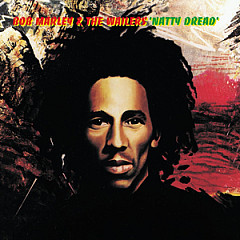
Bob Marley gave the songwriting credit for "No Woman No Cry" to his friend Vincent Ford, who ran a soup kitchen in Trenchtown, the area of Kingston where Marley grew up.
The chorus in "September" by Earth, Wind & Fire is "Bada-Ya, dancing in September." Group leader Maurice White left it "Bada-Ya" instead of a real word because he never let a lyric get in the way of a groove.
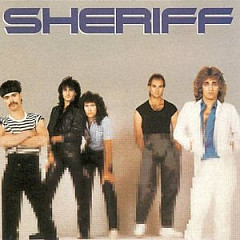
Sheriff had been disbanded for years when "When I'm With You" hit #1 in America thanks to rediscovery by radio stations. The group never re-formed and never made a video for the song.
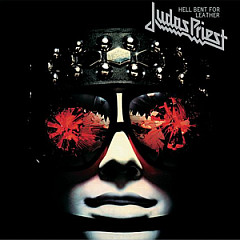
Judas Priest's "Evening Star" is a Christmas carol that describes the journey of the Magi from a first person perspective.

Neil Young's song "Old Man" was inspired by the caretaker of the ranch he bought in 1970. Neil was the young man at the time, just 25.
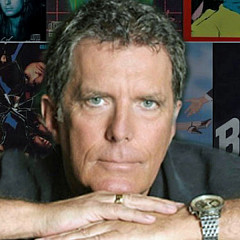
Ron Nevison explains in very clear terms the Quadrophenia concept and how Heart staged their resurgence after being dropped by their record company.
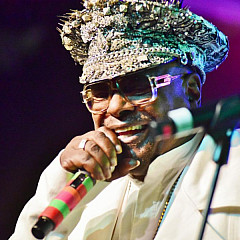
When you free your mind, your ass may follow, but you have to make sure someone else doesn't program it while it's wide open.
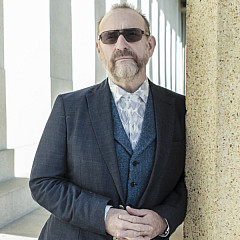
Established as a redoubtable singer-songwriter, the Men At Work frontman explains how religion, sobriety and Jack Nicholson play into his songwriting.
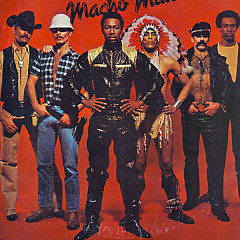
Just like Darrin was replaced on Bewitched, groups have swapped out original members, hoping we wouldn't notice.
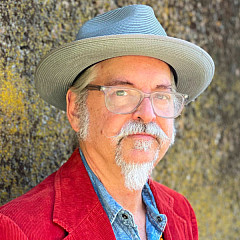
Sheryl Crow's longtime songwriting partner/guitarist Jeff Trott reveals the stories behind many of the singer's hits, and what its like to be a producer for Leighton Meester and Max Gomez.
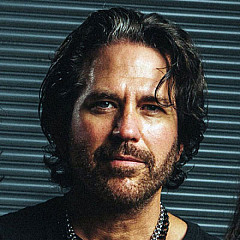
The Winger frontman reveals the Led Zeppelin song he cribbed for "Seventeen," and explains how his passion for orchestra music informs his songwriting.