
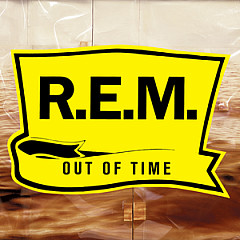
"Losing My Religion" by R.E.M. isn't about religion, but unrequited love. The title is based on a Southern expression meaning "at my wit's end."
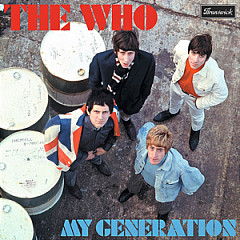
Pete Townshend wrote the lyrics for "My Generation" during a train ride from London to Southampton on his 20th birthday.
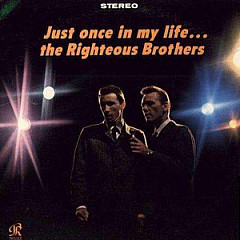
"Unchained Melody" first appeared in a 1955 movie called Unchained. The Righteous Brothers recorded it in 1965, and their version was resurrected in the 1990 movie Ghost.

"Here Comes Your Man" is the closest the Pixies came to a hit in America. It was rumored to be about a drug dealer, but Black Francis says it's just a story about some hobos who travel by train and die in an earthquake.
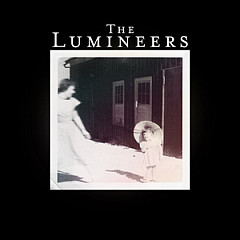
"Ho Hey" by The Lumineers is about New York City, where lead singer Wesley Schultz moved to make it in music. He was dismayed to find many "trust fund kids" in the music scene while he struggled to pay the rent.
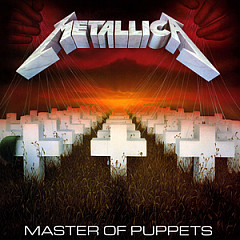
When Metallica performed in China in 2013, they weren't allowed to play "Master Of Puppets," probably because the theme of being controlled by a higher authority didn't sit well with the Chinese government.
Even before Soundgarden wrote a song about him, Artis was the most famous spoon player of all time. So why has he always been broke?
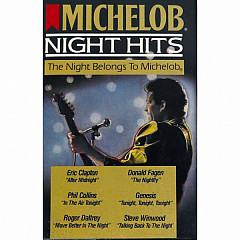
Michelob commercials generated hits for Eric Clapton, Genesis and Steve Winwood in the '80s, even as some of these rockers were fighting alcoholism.

Eddie (played by Johnny Depp in the video) found fame fleeting, but Chuck Berry's made-up musician fared better.
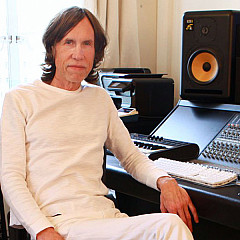
Glen Ballard talks about co-writing and producing Alanis Morissette's Jagged Little Pill album, and his work with Dave Matthews, Aerosmith and Annie Lennox.
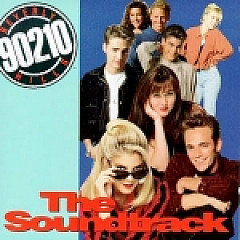
Shows like Dawson's Creek, Grey's Anatomy and Buffy the Vampire Slayer changed the way songs were heard on TV, and produced some hits in the process.
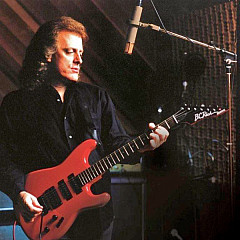
"Mony Mony," "Crimson and Clover," "Draggin' The Line"... the hits kept coming for Tommy James, and in a plot line fit for a movie, his record company was controlled by the mafia.