
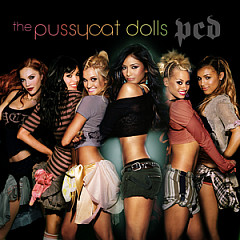
Sir Mix-A-Lot is credited as a writer on The Pussycat Dolls' biggest hit, "Don't Cha," because it interpolates his 1988 song "Swass," where he goes, "Don't you wish your boyfriend was swass like me?"
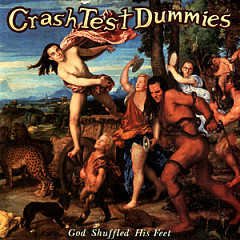
The third verse of "Mmm Mmm Mmm Mmm" by Crash Test Dummies ("they shook and lurched all over the church floor...") was inspired by girl whose parents would speak in tongues at their Pentecostal service.
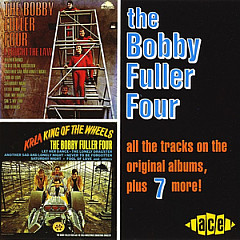
"I Fought The Law" was a hit for The Bobby Fuller Four in 1965. The Clash released their version in 1979, changing the lyrics "I left my baby" to "I killed my baby."
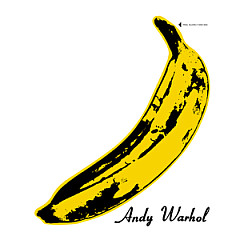
When the Velvet Underground song "Heroin" got screechy, Maureen Tucker stopped drumming, figuring it would bust the take, but her bandmates kept going. You can hear it at the 5:20 mark.
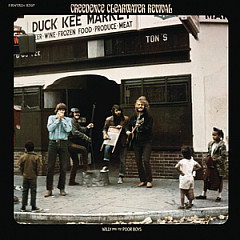
The Creedence Clearwater Revival song "Fortunate Son" is about how the Vietnam war was being fought by soldiers without the privilege or connections to get out of it. "It's the old saying about rich men making war and poor men having to fight them," John Fogerty said.
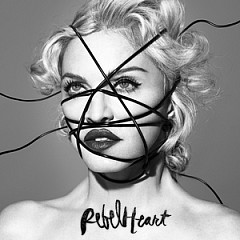
"Ghosttown" was Madonna's 45th chart-topper on the Dance Club Songs chart, breaking the record for the most #1s an artist has tallied on a single Billboard chart.
Starting in Virginia City, Nevada and rippling out to the Haight-Ashbury, LSD reshaped popular music.
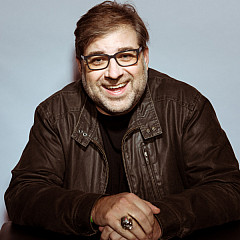
A top country songwriter, Barry talks about writing hits for Little Big Town, Tim McGraw and Jason Aldean.
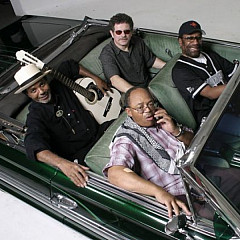
A founding member of the band War, Harold gives a first-person account of one of the most important periods in music history.
Wilder's hit "Break My Stride" had an unlikely inspiration: a famous record mogul who rejected it.
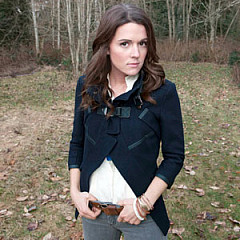
As a 5-year-old, Brandi was writing lyrics to instrumental versions lullabies. She still puts her heart into her songs, including the one Elton John sings on.

What are the biggest US hits with French, Spanish (not "Rico Suave"), Italian, Scottish, Greek, and Japanese titles?